

Geography outgrew memorization years ago.
Knowing where a country sits on a map is no longer enough to understand how the world functions. Today’s geography is about movement, patterns, systems, and connections—how people, data, and environments interact in real time. When families, educators, and curriculum designers encounter jr geo, they’re usually looking for that deeper layer of understanding.
They want learning that explains why cities expand, how climate shapes decisions, and what location has to do with technology, logistics, and daily life. JR geo emerged from this shift. It isn’t a single book or branded course. It’s a modern way of teaching geography at a junior level, grounded in real-world relevance and future-ready thinking.
This guide explains what jr geo really is, how it’s used, and why it has become an essential foundation for learning in a data-driven world.
What Is JR Geo?
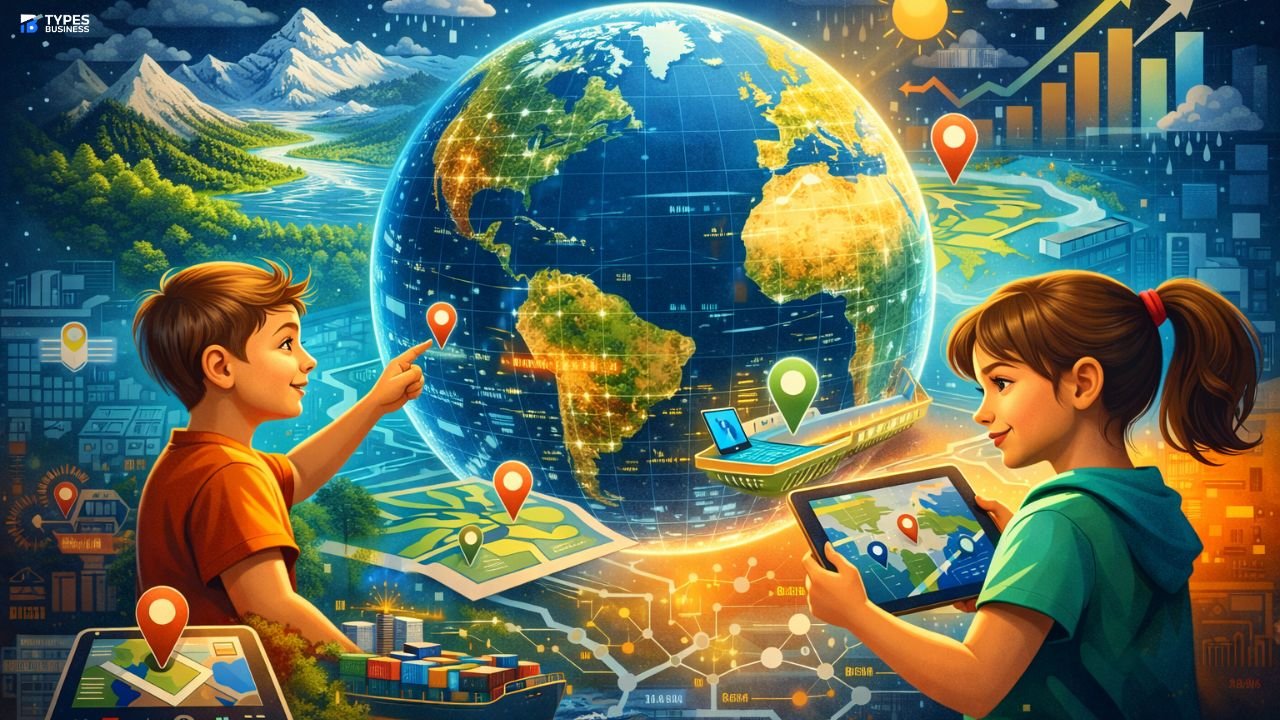
JR Geo is a junior-level approach to geography that blends classic geographic principles with modern tools, data, and real-world applications.
At its core, it helps learners answer three fundamental questions:
-
Where are things located?
-
Why are they located there?
-
How does location influence people, systems, and decisions?
Traditional geography often stopped at memorizing capitals, rivers, and borders. JR geo goes further. It introduces learners—typically between ages 7 and 14—to geography as a living system that shapes how the world operates.
Through jr geo, students explore:
-
The natural environment
-
Human behavior and settlement
-
Geographic data and spatial patterns
-
Practical applications such as traffic systems, supply chains, and climate risks
The result is geography that feels connected to everyday life rather than locked inside a textbook.
How JR Geo Reframes Traditional Geography
The biggest shift it makes is moving geography from a static subject to a dynamic one.
| Traditional Geography | JR Geo |
|---|---|
| Memorizing maps | Understanding spatial relationships |
| Static textbooks | Interactive, data-informed learning |
| Limited real-world context | Practical, everyday applications |
| Past-focused | Present and future focused |
| Isolated subject | Cross-disciplinary (technology, climate, data) |
This evolution mirrors how geography is actually used today—in urban planning, logistics, environmental science, and technology.
The Four Core Areas of Geography in JR Geo
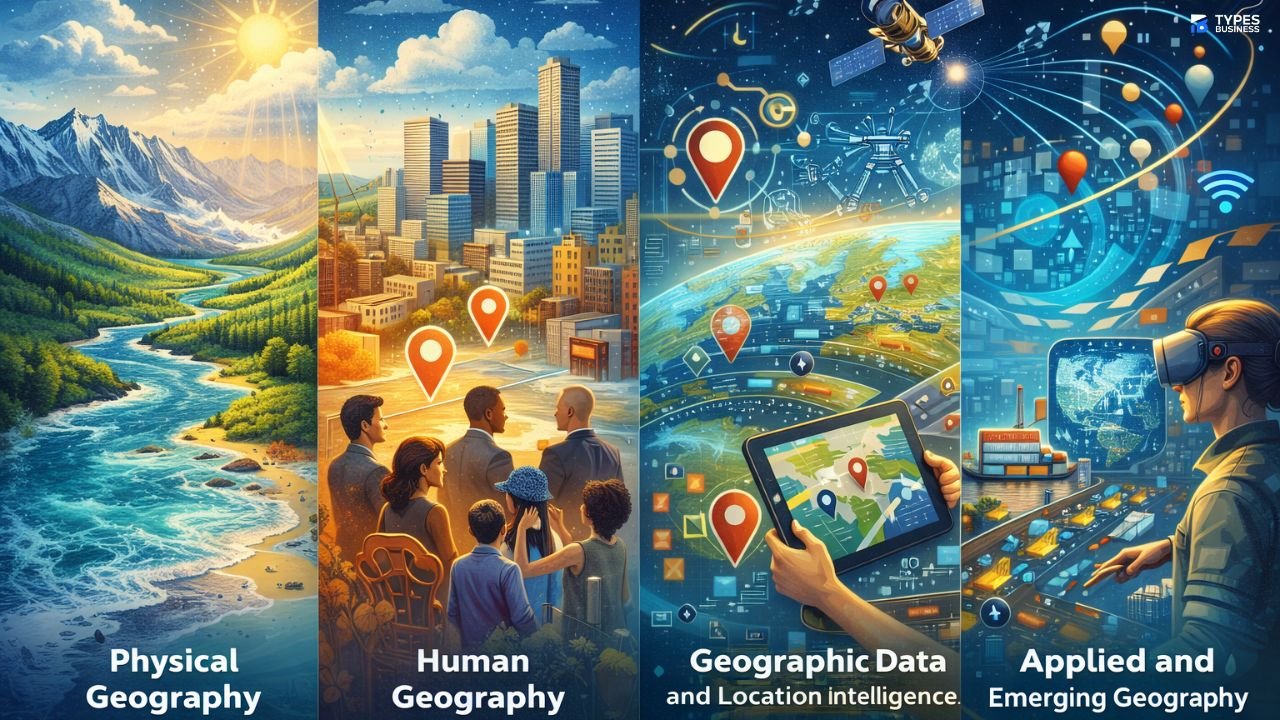
Physical Geography: Understanding the Natural World
Physical geography focuses on Earth’s natural systems, including:
-
Mountains, rivers, and oceans
-
Weather patterns and climate systems
-
Rising sea levels and environmental change
Learners begin to see how natural forces shape ecosystems and human activity. This foundation is critical for understanding climate-related challenges and environmental risks.
Human Geography: How People Shape the Planet
Human geography examines how people live and organize space:
-
Population distribution
-
Urban growth and city planning
-
Migration patterns and cultural regions
Through this lens, students understand why cities develop where they do, how cultures form, and how geography influences social and economic systems.
Geographic Data and Location Intelligence
This is where jr geo becomes distinctly modern.
Students are introduced to:
-
Location data and coordinates
-
Digital maps and visualization tools
-
Identifying patterns using historical and real-time data
These concepts form the foundation of technologies used in navigation, logistics, emergency planning, and smart cities.
Applied and Emerging Geography
Applied geography connects learning directly to the real world:
-
AI and machine learning in mapping systems
-
Augmented reality maps
-
Traffic flow analysis
-
Supply chain tracking
These aren’t abstract ideas. They represent real industries and career paths where geography plays a central role.
What Is Geo Data? A Simple Explanation
Geo data is information connected to a specific place.
In jr geo, learners encounter geo data through:
-
Weather maps
-
GPS locations
-
Population charts
-
Satellite imagery
-
Flood-risk and climate maps
Geo data helps students ask meaningful questions, such as:
-
Why does traffic slow down in certain areas every morning?
-
Why do some regions experience flooding more often?
-
How do companies move goods efficiently across the world?
Understanding geo data teaches students to think critically about patterns and systems.
Also Check: Zavalio com: A Complete Overview, Features, Legitimacy, and User Guide
Why JR Geo Feels Relevant to Everyday Life
It stands out because it reflects systems learners already use, often without realizing it.
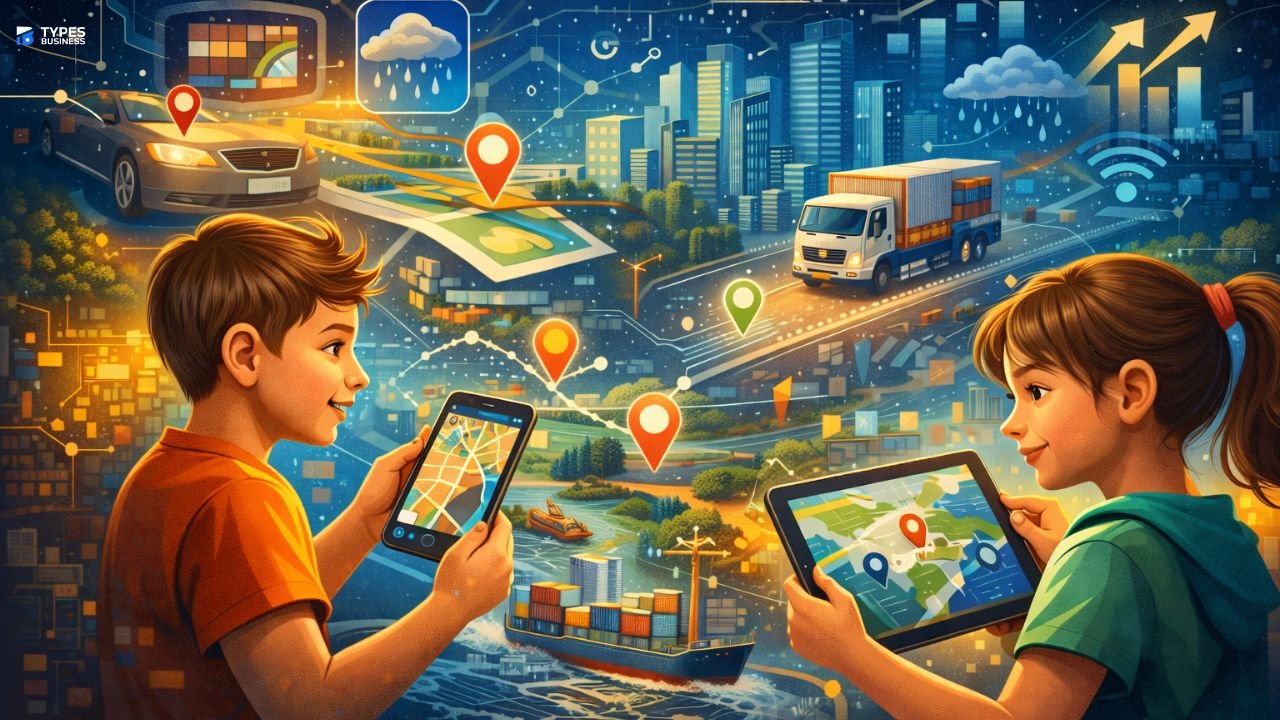
Daily examples include:
-
Navigation apps predicting traffic congestion
-
Weather apps adjusting forecasts by location
-
Online deliveries optimized through supply chain mapping
-
Cities managing energy, water, and transport using spatial data
By connecting lessons to these familiar experiences, jr geo makes geography intuitive and engaging.
A Real Example: JR Geo in Practice
In one homeschool setting, it was taught through local projects instead of worksheets.
Students:
-
Mapped traffic patterns around their neighborhood
-
Identified congestion near schools during peak hours
-
Compared past data with real-time updates
-
Suggested improvements using basic location analysis
They didn’t just learn geography. They learned how systems interact—and how location drives decision-making.
That’s the practical power of jr geo.
Common Misunderstandings About JR Geo
Several misconceptions often limit the effectiveness of jr geo learning:
-
Treating jr geo as a single product or brand
-
Focusing only on maps and memorization
-
Ignoring modern data and digital tools
-
Skipping real-world examples
-
Using the same approach for all age levels
It work best when concepts come first, and tools are introduced gradually to support understanding.
JR Geo at a Glance
Best suited for:
-
Learners ages 7–14
-
Homeschooling families
-
Modern classrooms
-
STEM-integrated education
Skills developed:
-
Spatial reasoning
-
Pattern recognition
-
Data interpretation
-
Environmental awareness
Long-term relevance:
High—especially in fields like climate science, logistics, urban planning, and technology.
How JR Geo Is Evolving in 2026
JR geo continues to change alongside technology and global challenges. Current trends include:
-
Kid-friendly AI-powered mapping tools
-
Augmented reality geography lessons
-
Greater focus on climate and environmental systems
-
Real-time data replacing static maps
-
Integration with coding and data literacy
These developments reflect a world where understanding location is no longer optional.
FAQs
Q. How many types of geo are there?
There are three main types of geography: physical geography, human geography, and applied geography. JR geo introduces all three at an age-appropriate level to help learners understand the natural world, human activity, and real-world geographic applications.
Q. What is the study of geo?
The study of geo, or geography, focuses on places, environments, and how humans interact with the Earth. It examines where things are located, why they are there, and how location influences life and systems.
Q. What does geo mean in geography?
In geography, “geo” comes from the Greek word meaning Earth. It refers to anything related to land, location, space, and the physical planet.
Q. Is JR geo a curriculum or a concept?
JR geo is a concept, not a single curriculum. It’s used across different educational programs, books, and learning resources to describe junior-level geography education with modern, real-world relevance.
Q. Is JR geo good for homeschooling?
Yes, JR geo is well suited for homeschooling. It supports flexible schedules, hands-on activities, and project-based learning that help students connect geography to everyday life.
Q. What skills does JR geo teach?
JR geo builds spatial thinking, data awareness, environmental literacy, and real-world problem-solving skills, preparing learners to understand maps, patterns, and modern geographic systems.
Q. Why is JR geo important today?
JR geo helps students understand how geography connects to technology, climate, cities, and global systems, making it highly relevant for modern education in 2026 and beyond.
Q. At what age is JR geo typically taught?
JR geo is commonly designed for elementary to middle school learners, usually ages 7 to 14, with content adapted to different learning levels.
Why JR Geo Matters More Than Ever
JR geo isn’t a passing trend. It reflects how the world now operates.
By blending geography with data, technology, and real-world systems, it helps learners understand climate change, cities, global movement, and modern infrastructure with clarity rather than confusion.
For education in 2026 and beyond, jr geo isn’t optional—it’s foundational.
Related: zeochip com Review: Is It Safe or Risky in 2025–2026?