
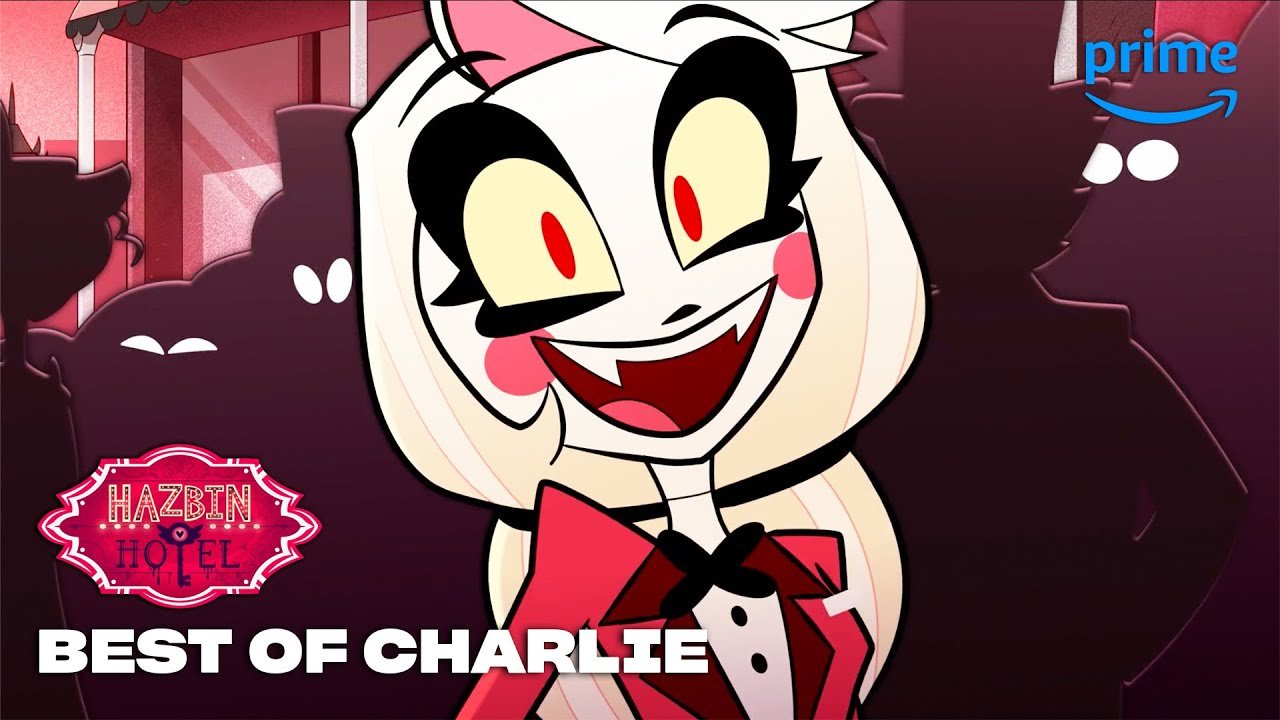
Charlie Morningstar is one of the most distinctive and beloved animated characters to emerge in recent years. As the optimistic princess of Hell and the central protagonist of Hazbin Hotel, Charlie Morningstar represents a bold, compassionate idea: that even the most lost souls deserve a chance at redemption. Her kindness, determination, and musical spirit set her apart in a world built on chaos, sin, and dark humor.
This in-depth article explores Charlie Morningstar’s origins, personality, design, relationships, symbolism, and cultural impact, giving you a complete and original look at why this character resonates so strongly with fans worldwide.
Who Is Charlie Morningstar?
Charlie Morningstar is the daughter of Lucifer and Lilith, making her the princess of Hell. Unlike the other demons who thrive on violence and indulgence, Charlie is gentle, empathetic, and hopeful. She believes Hell doesn’t have to be a place of endless suffering.
Driven by this belief, Charlie opens the Hazbin Hotel, a rehabilitation center for demons who want to reform themselves and ultimately earn redemption. Her goal challenges the very foundation of Hell’s existence, creating tension with both demons and divine forces.
Charlie Morningstar’s Personality and Core Traits
Charlie Morningstar’s personality is a refreshing contrast to her environment. Her defining traits include:
Unshakable Optimism
Charlie maintains a positive outlook even when surrounded by cruelty and skepticism. No matter how often her ideas are mocked, she continues to believe that change is possible.
Deep Empathy
She listens, cares, and tries to understand others instead of judging them. This emotional intelligence allows her to connect with even the most dangerous characters.
Leadership Through Compassion
Charlie does not rule through fear or authority. Instead, she leads by example, encouraging others to become better versions of themselves.
Emotional Vulnerability
Despite her confidence, Charlie experiences self-doubt and frustration. These moments make her feel realistic and relatable rather than idealized.
Visual Design and Aesthetic
Charlie Morningstar’s design plays a major role in her popularity. Her appearance combines classic animation charm with modern flair:
- Tall, slender frame with expressive movements
- Long blonde hair often styled neatly
- Red-and-white color palette symbolizing Hell and purity
- Formal attire reflecting her royal status
Her expressive facial animations and theatrical gestures emphasize her musical and dramatic nature.
Charlie Morningstar and Music
Music is central to Charlie Morningstar’s identity. She frequently expresses her emotions, hopes, and frustrations through song. These musical moments are not just entertainment—they reveal her inner world.
Songs featuring Charlie often focus on:
- Redemption and second chances
- Dreams of unity and peace
- Personal struggle against hopelessness
Her musical presence reinforces her role as the emotional core of the series.
Key Relationships in Charlie Morningstar’s Life
Vaggie
Vaggie is Charlie’s partner and emotional anchor. While Charlie dreams big, Vaggie provides realism, protection, and fierce loyalty. Their relationship balances idealism with practicality.
Lucifer Morningstar
Charlie’s relationship with her father is complex. As the ruler of Hell, Lucifer represents everything Charlie is trying to change. Their dynamic reflects generational conflict and differing worldviews.
Hotel Residents
Each demon at the Hazbin Hotel challenges Charlie’s patience and beliefs. Through these relationships, she learns that redemption is not simple—but still worth pursuing.
Symbolism Behind Charlie Morningstar
Charlie Morningstar symbolizes hope in impossible places. In a realm defined by punishment, she embodies forgiveness. Her character challenges audiences to reconsider ideas about morality, sin, and personal growth.
She also represents:
- Idealism versus realism
- Compassion in corrupt systems
- The courage to dream differently
This symbolism gives Charlie Morningstar depth beyond her cheerful surface.
Why Fans Love Charlie Morningstar
Charlie Morningstar has become a fan favorite for many reasons:
- She is kind without being weak
- She is hopeful without being naïve
- She stands for change in a world that resists it
Fans connect with her struggle to remain positive in hostile environments, making her a relatable figure for anyone who has felt out of place or misunderstood.
Charlie Morningstar’s Cultural Impact
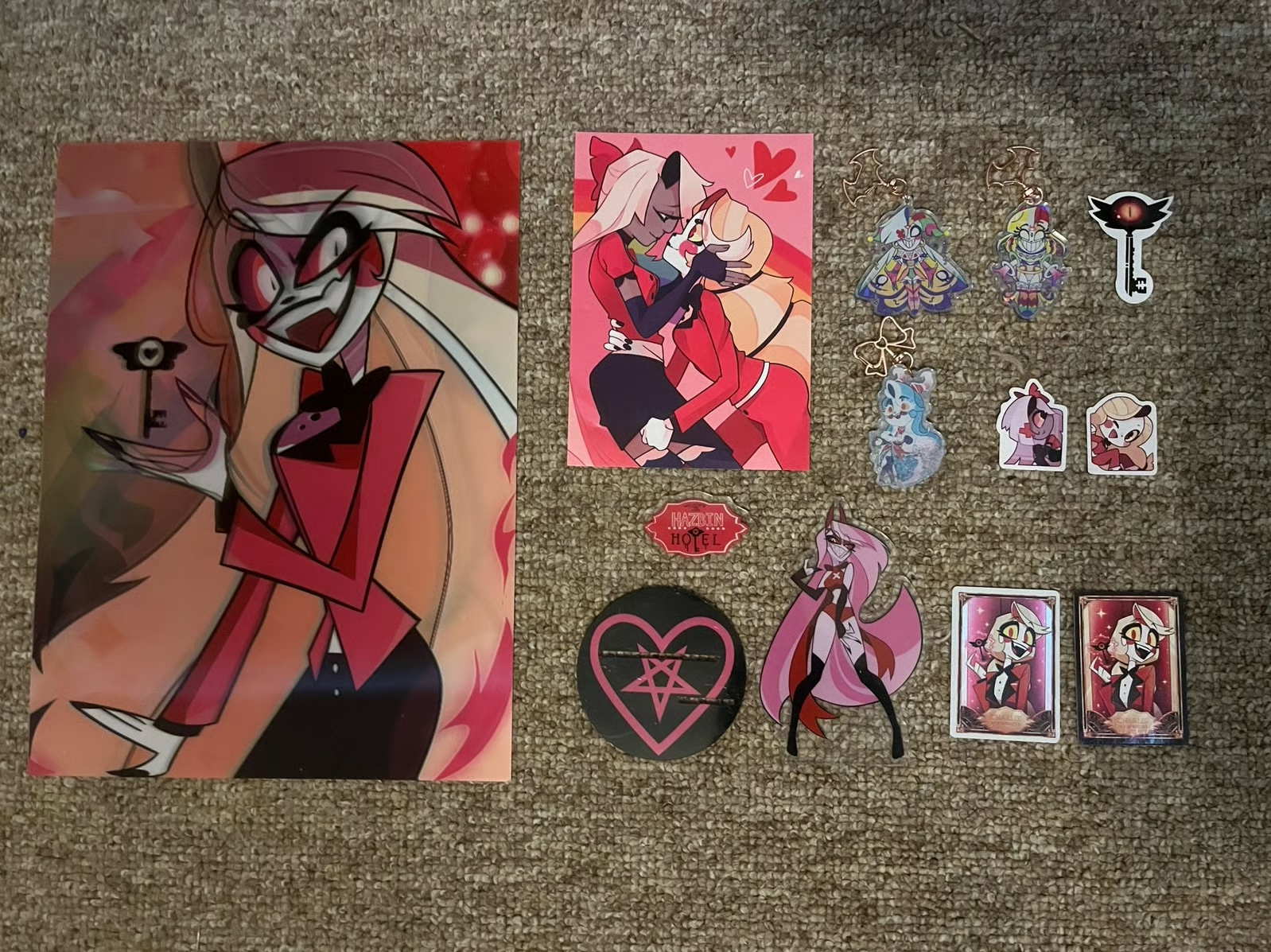
Charlie Morningstar has influenced fan art, cosplay, music covers, and online discussions across platforms. Her character has sparked conversations about redemption, mental health, and empathy within animated storytelling.
She also proves that animated protagonists don’t need to be cynical or aggressive to be compelling. Charlie’s sincerity is her strength.
Conclusion
Charlie Morningstar is more than just the princess of Hell—she is the soul of Hazbin Hotel. Through her compassion, optimism, and resilience, Charlie challenges a broken system and invites others to believe in second chances. Her journey is emotional, inspiring, and refreshingly sincere.
In a universe filled with darkness, Charlie Morningstar shines as a reminder that hope can exist anywhere—even in Hell.
FAQs About Charlie Morningstar
Who is Charlie Morningstar?
Charlie Morningstar is the main protagonist of Hazbin Hotel and the princess of Hell who seeks to redeem demons through compassion.
What is Charlie Morningstar’s goal?
Her goal is to rehabilitate demons at the Hazbin Hotel so they can earn redemption and escape eternal punishment.
Is Charlie Morningstar a villain?
No, Charlie Morningstar is a kind-hearted hero figure whose values often conflict with the world around her.
Why is Charlie Morningstar so popular?
Fans love her optimism, emotional depth, musical moments, and the hopeful message she represents.
What does Charlie Morningstar symbolize?
She symbolizes hope, forgiveness, and the belief that no one is beyond redemption.
Read Also: Charlie Morningstar